Siege and Resilience: Al-Shifa Hospital
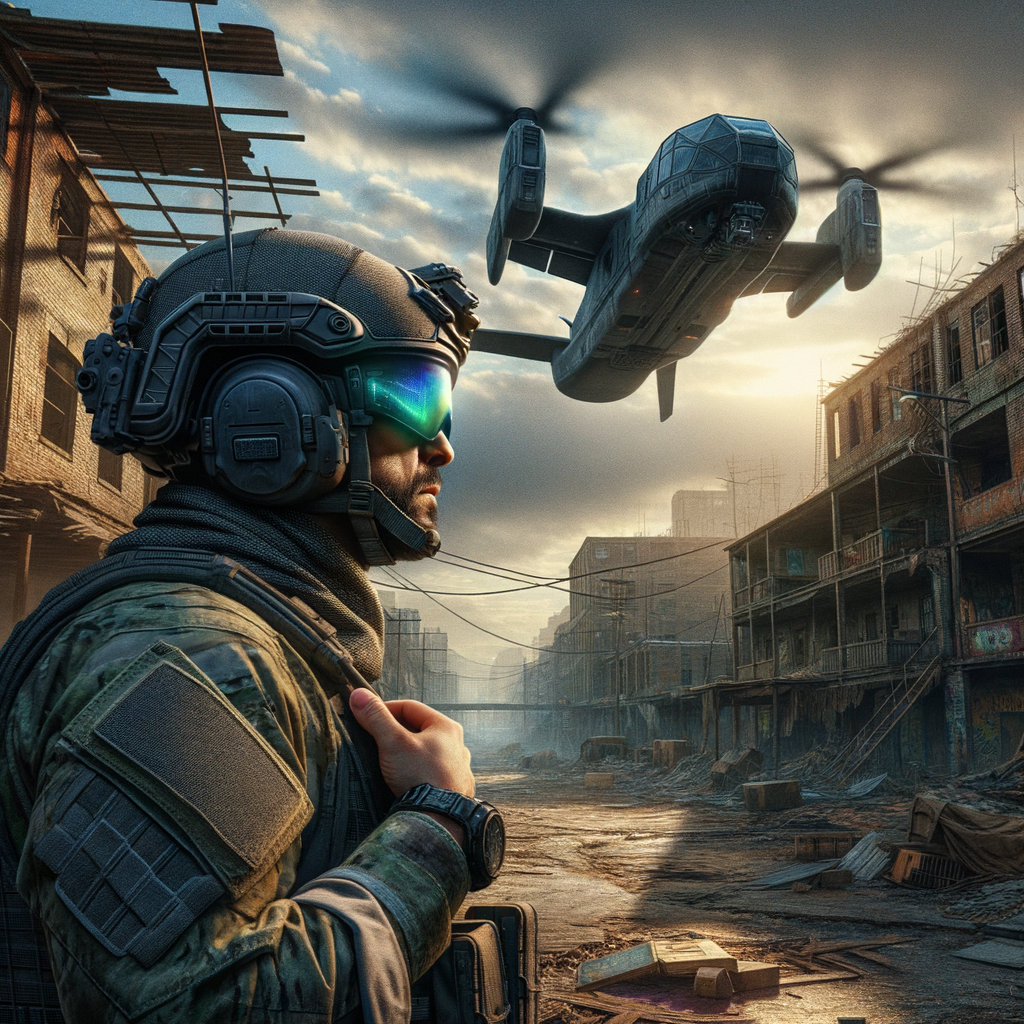 Created by ChatGPT based on this news article.
The sound of distant explosions echoed through the streets of Gaza City, shaking the windows and sending shivers down the spine of Dr. Amir, the head surgeon at al-Shifa hospital. He stood on the hospital’s rooftop, looking out at the smoke rising in the distance, the telltale signs of Israeli airstrikes. The situation in Gaza had been tense for weeks, but the recent intensification of airstrikes had left the hospital under siege, with no end in sight.
Dr. Amir’s mind raced as he thought about the patients and staff trapped inside the hospital. The lack of electricity and dwindling supplies had made the situation dire, and the constant bombardments had taken their toll on everyone’s nerves. He knew that without a pause in the fighting, patients would die, and the hospital itself was on the brink of collapse.
As he made his way back inside, he couldn’t ignore the sense of despair that hung in the air like a heavy fog. The makeshift triage area was overflowing with the wounded, and the sound of moaning and crying filled the corridors. Dr. Amir knew that he had to find a way to get help, but with the hospital completely surrounded, he wasn’t sure how.
As he made his rounds, he came across a young woman, Nour, who had been brought in with shrapnel wounds. She was clutching her infant daughter, her eyes filled with fear and uncertainty. Dr. Amir crouched down beside her, offering what comfort he could as he examined her injuries. He could see the desperation in her eyes, and he knew that he had to find a way to get her and the others out of this nightmare.
Dr. Amir gathered the hospital staff, his voice firm and resolute as he laid out a plan. They would have to find a way to communicate with the outside world, to let the world know about the dire situation inside al-Shifa. He knew that the international community might be their only hope for a ceasefire, and he was determined to do whatever it took to make their voices heard.
As night fell, the hospital staff worked tirelessly, setting up a makeshift communication center in the basement of the hospital. They knew that it was a dangerous move, but they also knew that they had no other choice. Dr. Amir and a small team of volunteers began sending out messages, desperately trying to reach anyone who could help.
Days turned into weeks, and still, the fighting raged on. The situation inside the hospital had reached a breaking point, with patients dying and supplies running dangerously low. Dr. Amir and his team refused to give up, continuing to send out distress calls and updates on the situation inside al-Shifa.
Finally, their efforts paid off. The World Health Organization responded to their calls for help, and aid workers from around the world began to mobilize. Dr. Amir felt a sense of relief wash over him as he watched trucks filled with supplies and medical personnel make their way towards the hospital. It was a small victory, but one that gave him hope for the first time in weeks.
As the aid workers began to unload their supplies, Dr. Amir allowed himself to breathe a sigh of relief. The situation was still dire, but with the help of the international community, they had a fighting chance. He looked up at the sky, sending a silent prayer of thanks to anyone who was listening.
The days that followed were a blur of activity, as the hospital staff and aid workers worked tirelessly to care for the patients and shore up the hospital’s defenses. The sound of explosions still echoed through the city, but inside al-Shifa, there was a sense of determination and resilience. They refused to be broken by the violence that raged outside their doors.
Finally, after what felt like an eternity, a ceasefire was announced. The fighting stopped, and for the first time in weeks, there was a sense of peace. Dr. Amir stepped outside, the sunlight warm on his face. He looked out at the city, the scars of war still visible, but there was also a sense of hope in the air.
As the hospital began to slowly rebuild, Dr. Amir knew that they had faced a trial by fire and emerged stronger. The sense of unity and resilience that had carried them through the darkest days of the conflict would stay with them, a reminder of their strength in the face of adversity. And as he looked out at the city, he knew that the people of Gaza would rise again, stronger and more determined than ever before.